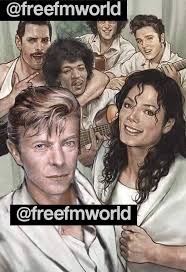
La música, como forma de arte universal, tiene la capacidad de conectar a personas muy diferentes. Aunque cada oyente pueda sentirse más identificado con unos estilos que con otros, la emoción que provoca la música suele ser profunda, personal y compartida al mismo tiempo. Algunos géneros, como el jazz o la música clásica, despiertan sensaciones más elaboradas, íntimas y complejas, mientras que otros, como el reguetón, el drill, el dembow o el pop, suelen asociarse a ambientes más ligeros, festivos y directos.
El rock, por su parte, engloba una amplia familia de estilos dentro de la música popular. A lo largo de su historia ha estado muy próximo al pop en determinados momentos, aunque sus raíces se encuentran en el rock and roll nacido en Estados Unidos durante la década de 1950. Este primer rock surgió como una fusión entre el country, el rhythm and blues y otras músicas populares de la época. A continuación, nos adentramos en su origen, su evolución, sus canciones más representativas y su influencia en el cine.
Origen e historia del rock
Tradicionalmente, el rock se ha asociado al protagonismo de la guitarra eléctrica, los compases de 4/4 y una estructura basada en verso y estribillo. Sin embargo, debido a su enorme evolución, hoy resulta difícil reducirlo a unas características únicas y absolutas. Sus letras han tratado temas sociales, políticos, emocionales y personales, mientras que su esencia suele apoyarse en la fuerza de la composición, la energía del directo y la búsqueda de una identidad propia.
El rock nació en Estados Unidos en los años 50 y alcanzó una enorme expansión en Reino Unido durante los años 60. La década de los cincuenta suele considerarse una etapa dorada para el rock clásico, ya que en ella se consolidó el rock and roll como fenómeno cultural. Durante esos años, el género se popularizó en Estados Unidos y en buena parte de Occidente gracias a artistas como Eddie Cochran, Jerry Lee Lewis y Roy Orbison, junto a grandes figuras del rock negro como Chuck Berry, Bo Diddley y Little Richard.
El impacto fue tan grande que, en ciudades como Detroit, el rock y el rhythm and blues comenzaron a cruzar caminos de forma decisiva. De ese entorno musical surgirían posteriormente grandes figuras vinculadas a la música popular, entre ellas Michael Jackson, quien acabaría siendo reconocido mundialmente como el Rey del Pop. Con la llamada invasión británica de los años 60 aparecieron bandas fundamentales para la historia del género, como The Beatles, The Rolling Stones, The Animals o The Who.
El ambiente hippie y contracultural de los años 60 impulsó una auténtica explosión de variantes dentro del rock. La psicodelia, el amor libre, la revolución sexual y la contestación social marcaron buena parte de la música de finales de los 60 y comienzos de los 70. En ese contexto destacaron artistas como Bob Dylan, Janis Joplin, Jimi Hendrix, Eric Clapton, Leonard Cohen y Lou Reed, además de bandas como Pink Floyd, The Velvet Underground, Grateful Dead o Jethro Tull, muchas de ellas con una clara vocación experimental.
Durante los años 70, grupos como Queen, Black Sabbath, Led Zeppelin y Deep Purple incorporaron influencias de otros estilos, como la ópera, el blues o el soul, ampliando las posibilidades expresivas del rock. Esta etapa permitió el nacimiento y desarrollo de nuevas corrientes, entre ellas el rock psicodélico, el hard rock, el heavy metal y el rock progresivo.
En esa misma década también cobró fuerza el punk rock, surgido con especial intensidad en Reino Unido hacia finales de los años 70 y marcado por una actitud directa, crítica y de fuerte contenido político. En paralelo, destacaron figuras y bandas como Genesis, Ramones, Yes, Alice Cooper, Van Halen y artistas más difíciles de clasificar, como David Bowie, cuya obra mezcló rock, pop, teatralidad y experimentación.
Los años 80 estuvieron marcados por una mayor apertura del rock hacia sonidos más comerciales y por una relación cada vez más estrecha con el pop. En ese contexto aparecieron o se consolidaron nombres como Duran Duran, Madonna, Michael Jackson y Billy Idol. Al mismo tiempo, el rock alternativo comenzó a ganar espacio en la escena principal con grupos como The Cure, R.E.M., U2 y Pixies, mientras que el punk seguía presente y el heavy metal llenaba grandes estadios en todo el mundo.
En los años 90, el rock volvió a transformarse con fuerza. Por un lado, surgieron movimientos más desencantados y melancólicos, como el grunge, con Nirvana como una de sus bandas más representativas. Por otro, el britpop devolvió el protagonismo a la escena británica, mientras que el rock industrial incorporó sonidos más duros, mecánicos y próximos a la estética de fábricas y máquinas, abriendo también caminos hacia la música electrónica. En esta etapa entraron con fuerza en el panorama grupos como Guns N’ Roses, Metallica, Nirvana, Radiohead, Oasis, Blur y Placebo.
¿Qué mensaje transmite el rock?
El rock es un género que ha sido admirado por millones de personas en todo el mundo, y no por casualidad. Se trata de una forma de expresión artística capaz de transmitir sentimientos, ideas y emociones de una manera intensa, directa y visceral. Su energía, su fuerza sonora y su actitud han influido en numerosas generaciones a lo largo de las décadas.
Desde sus primeros años, el rock ha estado ligado a mensajes de libertad, inconformismo y rebeldía. Ha acompañado movimientos sociales, cambios culturales y momentos históricos muy distintos, desde la contracultura hippie de los años 60 hasta el desencanto del grunge en los 90. Para muchos artistas y oyentes, el rock ha sido una manera de enfrentarse al statu quo, denunciar la opresión y expresar el malestar frente a la injusticia social.
“Lo más grande del rock and roll es que alguien como yo pueda ser una estrella”.Elton John
¿Cuál fue la primera canción de rock de la historia?
Determinar cuál fue la primera canción de rock de la historia sigue siendo un debate abierto. Algunas teorías señalan That’s All Right, Mama, de Elvis Presley, considerado una de las grandes figuras del género. Otros investigadores apuntan a The Fat Man, de Fats Domino, como una de las grabaciones clave en el nacimiento de este estilo.
También suelen citarse Rocket 88, de Jackie Brenston, Rock Around the Clock, de Bill Haley, y Maybellene, de Chuck Berry, esta última considerada por muchos como una de las primeras grandes canciones de rock and roll con guitarra eléctrica como elemento protagonista. Sin embargo, no existe un consenso definitivo. En el libro What Was the First Rock ’n’ Roll Record?, Jim Dawson y Steve Propes analizan cincuenta posibles canciones precursoras, desde Blues, Part 2, interpretada por Illinois Jacquet en 1944, hasta Heartbreak Hotel, de Elvis Presley, publicada en 1956, sin llegar a una conclusión única.
¿Cuál fue la influencia del rock en el cine?
La relación entre el rock y el cine ha sido siempre muy estrecha y fértil. Ambos lenguajes artísticos han compartido energía, estética, actitud y capacidad narrativa. Esta conexión ha contado con músicos especialmente creativos y abiertos a la experimentación, como David Byrne, Ryuichi Sakamoto, Ry Cooder o Peter Gabriel.
El guitarrista y compositor Ry Cooder ha dejado su huella en diversas bandas sonoras, entre ellas las de París, Texas, Primary Colors y Cruce de caminos. Cooder comenzó su trayectoria junto a Captain Beefheart y, con el paso de los años, exploró múltiples estilos e influencias. Además, junto a Compay Segundo participó en Buena Vista Social Club, un trabajo fundamental para la difusión internacional de la música cubana.
Para la banda sonora de El último emperador, Bernardo Bertolucci contó con la participación de David Byrne, cantante de Talking Heads, y de Ryuichi Sakamoto, compositor, pianista, productor, actor japonés y antiguo integrante del grupo Yellow Magic Orchestra, una formación pionera de la música electrónica y el tecno-pop en Japón. El resultado fue una banda sonora de enorme reconocimiento, premiada con el Oscar.
Si observamos la filmografía de Martin Scorsese, uno de los directores más importantes de la historia del cine, también encontramos una fuerte presencia de músicos vinculados al rock y a la música popular. Para La última tentación de Cristo recurrió a Peter Gabriel, mientras que otros grandes nombres como Mike Oldfield o David Bowie también han estado ligados a películas de gran impacto cultural, ya fuera a través de la música o de la interpretación.
Son muchos los músicos de rock que han formado parte de bandas sonoras relevantes: Trent Reznor, Mark Knopfler, Nick Cave, Eddie Vedder y muchos otros. Pero si miramos hacia una de las cimas del séptimo arte, encontramos a Stanley Kubrick, cuya obra también tuvo una relación significativa con la cultura rock.
En el cine de Kubrick, caracterizado por su simbolismo y su enorme fuerza visual, destacan películas que influyeron en la estética y el imaginario del rock. La naranja mecánica, protagonizada por Malcolm McDowell en el papel de Alex DeLarge, anticipó elementos visuales y actitudinales que más tarde se asociarían al punk. Su representación de la violencia, la anarquía y la provocación conectó con el espíritu de bandas y artistas como Sex Pistols, The Clash, Ramones o Patti Smith. Por su parte, 2001: Una odisea del espacio influyó en el desarrollo de imaginarios vinculados al space rock y a sonidos más atmosféricos y experimentales.
Las mejores canciones de rock en el cine
Si repasamos la historia compartida entre el cine y la música rock, encontramos canciones que han quedado unidas para siempre a determinadas películas. Un ejemplo claro es Eye of the Tiger, de Survivor, incluida en la banda sonora de Rocky III. Pocas canciones han encajado tan bien con el espíritu de una película: esfuerzo, superación, lucha y deseo de vencer.
Otro caso muy recordado es Lust for Life, de Iggy Pop, utilizada en Trainspotting. Aunque la canción fue creada muchos años antes del estreno de la película, terminó funcionando como una pieza perfecta para acompañar la energía, los excesos y el tono provocador de la historia. Su uso ayudó a convertirla en una de las canciones más asociadas al cine de los años 90.
Al volver a los orígenes del rock, resulta inevitable mencionar Johnny B. Goode, de Chuck Berry, incluida en Regreso al futuro. La película de Robert Zemeckis, con música original de Alan Silvestri, incorporó este clásico del rock and roll en una de las escenas más recordadas del cine de los años 80.
Pero si existe una canción de rock convertida en auténtico símbolo cinematográfico, esa es Born to Be Wild, de Steppenwolf, incluida en Easy Rider. La película, profundamente vinculada al espíritu contracultural de finales de los 60, ayudó a reforzar la conexión entre rock, carretera, libertad y rebeldía. Además, algunas fuentes señalan que en torno a esta canción comenzó a popularizarse el uso del término heavy metal dentro del contexto musical.